 Virginia Invasive Species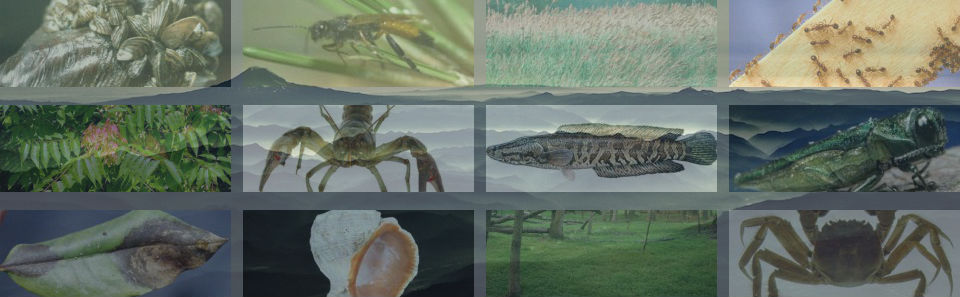
What Are Invasive Species?
Invasive species--such as spotted lanternfly, feral swine, wavyleaf grass, and the emerald ash borer--cause harm to forests, grasslands, marshes, and farmlands. They may also cause harm to humans. Invasive species are non-native weeds, insect pests and other organisms introduced intentionally or accidentally by people who move them from their native range. In their new range, they reproduce and spread on their own. Very few introduced species cause trouble. When there is evidence of a species causing harm we categorize them as invasive.
The economic cost of invasive species is complex and challenging to quantify. Recent research suggests that the annual global costs of invasive species exceed $423 billion, and studies place financial losses in the United States anywhere from a conservative $26.26 billion up to $120 billion billion per year (IPBES, 2023; Crystal-Ornelas et al., 2021; Pimental et al., 2005). These threats are expected to increase in the future.
See the current Virginia Invasive Species Management Plan here >>
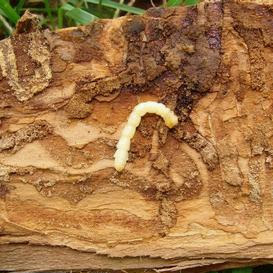 Learn more about invasive species that threaten Virginia here >>
 Report and map your discovery of invasive species here >>